
FAQ · 32 questions · 8 topics
Rodent Control FAQ for Huntsville, TX
Straight answers to the questions people ask most about rats, mice and squirrels in East Texas homes, from the first scratching sound to the last sealed gap. Pick a topic below or scroll through them all.
This page pulls together questions from every part of the site. For the full step-by-step picture, see how the rodent control process works. If you'd rather talk it through, call (936) 280-8706 for rodent help in Huntsville, Monday to Saturday from 8:00 AM to 6:00 PM.
Signs & identification
What you hear, see and smell, and what it means.
What does it sound like when rats are in the ceiling?
Quick scurrying or running, scratching, and sometimes gnawing or a soft rolling sound, like something being moved. It usually starts after dark and is loudest in the first hours of the night and again before dawn. Mice sound lighter and faster than rats.
I found droppings but haven't seen a rodent. Do I still have a problem?
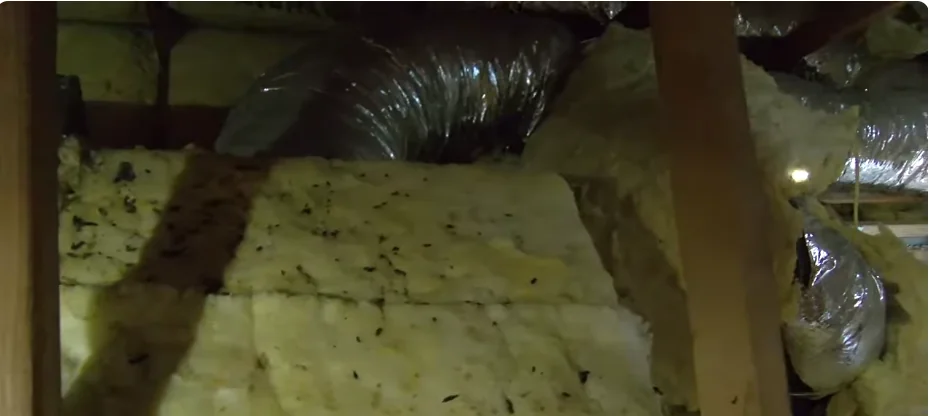
Usually, yes. Rats and mice avoid people and are mostly active at night, so many homeowners never see one. Fresh droppings are dark and soft; older ones are dry and crumbly. Either way, droppings mean rodents have been inside, and they likely know the way back in.
What are grease marks along walls and beams?
They're rub marks. Rats follow the same paths over and over, and the oil and dirt on their fur leave dark smudges on beams, pipes, wall edges and around holes. Rub marks are a good sign of an active runway and help show where traps should go.
Why does my garage or pantry smell musty?
A stale, musty or ammonia-like smell in a closed space often comes from rodent urine and droppings building up over time. A sweet, rotten smell is different and usually means a dead animal. Both are worth checking, starting with the corners and the backs of shelves.
Texas rodent species
Which animals turn up in Huntsville homes.
Which rodents are most common in Huntsville homes?
Roof rats in attics, house mice in kitchens and walls, Norway rats in crawl spaces and around foundations, and fox and gray squirrels in soffits and attics. Homes near woods, fields or water also see native wild mice and cotton rats, mostly in garages, sheds and outbuildings.
What's the difference between a roof rat and a Norway rat?
Roof rats are slim climbers with long tails and big ears, and they nest high. Norway rats are heavier diggers with shorter tails and small ears, and they stay low. Our rodent species guide has detailed ID notes and a side-by-side table.
What does a mouse with a white belly mean?
A mouse with a brown back and a crisp white belly and feet is usually a deer mouse or white-footed mouse, both native wild mice. They're more common in sheds, cabins and homes near woods, and they're the type linked to hantavirus, so clean up after them carefully.
Are flying squirrels found around Huntsville?
Yes. Southern flying squirrels live in the wooded eastern third of Texas. Because they're active at night, they're easy to mistake for rats in the attic. Squirrel droppings are larger and rounder than rat droppings, which helps tell them apart.
Health & hantavirus
Illness risks and how to stay safe.
Is hantavirus a real concern in Texas?
Texas DSHS says reported cases are rare in Texas, but the illness is serious. The risk comes mostly from wild mice in closed spaces such as sheds, barns, cabins and hunting blinds. Our hantavirus in Texas page covers symptoms and safe cleanup.
What other illnesses can rodents spread?
Health agencies link rodents to several illnesses, including flea-borne typhus, leptospirosis, salmonellosis and rat-bite fever, along with hantavirus. The routes differ: fleas, contaminated water or soil, soiled food, and bites or scratches. Sealing rodents out and cleaning carefully lowers all of these risks.
Should I clean up droppings myself?
A few droppings in a cabinet can be cleaned with gloves, a disinfectant spray and paper towels, without sweeping or vacuuming. A heavily soiled attic, crawl space or outbuilding is a different job, and it's safer to have someone with HEPA equipment and protective gear handle it.
Is it safe to stay in the house during rodent work?
For most trapping and sealing, yes. Heavy attic cleanup can raise dust, so providers may ask you to keep the attic hatch closed and keep children and pets away from the work area. Ask about it during the inspection, especially if anyone has breathing problems.
Process & timeline
What happens, in what order, and how long it takes.
What is the first thing a provider does?
An inspection of the whole house, inside and out. They look for entry points along the roofline, vents, weep holes and utility lines, check the attic and crawl space, and identify the species. Everything else in the plan depends on what they find.
How soon will the noise stop?
Activity usually drops as trapping removes the animals, but it can take a while for the last ones to be caught, especially in a large attic. Noise that continues after sealing can mean a missed opening, so let the provider know exactly where and when you still hear it.
Why do providers come back more than once?
Traps need to be checked, emptied and moved, and seals need to be inspected once rodents have had a chance to test them. Return visits are how the provider confirms the problem is actually gone instead of assuming it.
Can rodent work be done on a Saturday?
The phone line is open Monday through Saturday, 8:00 AM to 6:00 PM, so you can call on a Saturday. Whether work can be scheduled that day depends on the provider's availability, so ask when you call.
Sealing & materials
How rodents get in and what keeps them out.
How small a gap can a mouse fit through?
Smaller than most people expect. A common rule of thumb is that a mouse can get through a hole about the size of a dime, and a rat through one about the size of a quarter. That's why gaps around pipes and the corners of garage doors matter.
Will expanding foam keep rats out?
Not by itself. Rats chew through foam easily. Foam can fill space behind a barrier, but the barrier itself should be metal, such as hardware cloth, sheet metal or copper or steel mesh packed into the gap and sealed over.
Why are weep holes in brick a problem?
Weep holes let moisture drain out of brick walls, so they shouldn't be blocked solid. But an open weep hole can also let mice into the wall. Purpose-made weep hole covers keep rodents out while still letting the wall drain and breathe.
Do I need to trim trees to keep rats out?
It helps a lot. Roof rats and squirrels use branches, vines and power lines to reach the roof. Keeping limbs trimmed back several feet from the roofline removes an easy highway, and it makes the sealing work last longer.
Seasons & Texas weather
How heat, cold snaps and storms change rodent pressure.
When are rodents most likely to move indoors here?
Fall is the big one, as nights cool and fields are cut or harvested. Cold snaps in winter and heavy spring and summer rain can also push rodents into attics, garages and crawl spaces. In Texas, though, there isn't really a season when they stop trying.
Does a hard freeze kill rodents in the attic?
Generally no. Attics, wall voids and crawl spaces stay warmer than outside, and rodents nest in insulation. A freeze is more likely to push more of them into the house than to get rid of the ones already there.
Can flooding bring rats into the house?
It can. When low ground near creeks or the river floods, rodents move to higher, drier places, including homes, garages and barns. After a flood, watch for new droppings and avoid contact with flood water, which can carry bacteria from animal urine.
Is a hot attic too hot for rats in summer?
Some activity slows during the hottest weeks, but rats and mice simply move to cooler spots, such as wall voids, ducts and the edges of the attic. Summer is still a good time to seal, since there are often fewer animals moving in and out.
Renters, landlords & property
Who handles what in rentals, sales and empty homes.
Who is responsible for rodents in a Texas rental?
It depends on the lease and the situation. Texas Property Code § 92.052 requires landlords to make a diligent effort to repair conditions that materially affect the physical health or safety of an ordinary tenant, after proper notice. Read your lease, give notice in writing and ask a legal aid office if you're unsure. This isn't legal advice.
I'm a landlord. What should I do when a tenant reports mice?
Respond quickly, have the whole building inspected rather than one unit, and seal entry points as well as trapping. In duplexes and small apartment buildings, rodents move between units through shared walls and attics, so treating one unit alone often doesn't last.
I just bought a house and found rodent signs. What now?
It's more common than people think, because empty homes on the market are easy for rodents to move into. Get an inspection to see whether the activity is current, find the entry points, and plan cleanup if the attic insulation is soiled before you move belongings in.
How do I protect a lake house or home that sits empty?
Seal the entry points before you leave it for a long stretch, remove all food, store linens in sealed bins and close off pet doors. When you come back, look for droppings before you sweep, and air the place out first. Sealing is what makes the biggest difference.
Calling & choosing a provider
Licenses, quotes, hours and what to ask.
How do I check that a pest control company is licensed in Texas?
Structural pest control in Texas is licensed by the Texas Department of Agriculture, which publishes reports of current licenses. Ask the provider for their license number and check it with TDA. Ask about insurance too, especially for roof and attic work.
Why won't anyone give me a price over the phone?
Because the job depends on things nobody can see from a phone call: the species, the number of entry points, the size of the attic, how much cleanup is needed and how hard the roofline is to reach. A quote after the inspection is the only one that reflects your actual house.
What information should I have ready when I call?
Where and when you hear or see activity, how long it's been going on, what you've already tried, the type of foundation if you know it, and whether you have pets or small children. Photos of droppings or damage can help too.
What areas does this phone line cover?
Huntsville and nearby towns, including Elkins Lake, New Waverly, Riverside, Willis and Trinity, plus surrounding parts of Walker County. If you're not sure your address is covered, just call (936) 280-8706 and ask. Our contact page lists the full service area and hours.
Still have questions?
Ask a local Huntsville rodent pro
(936) 280-8706Open Monday–Saturday, 8:00 AM – 6:00 PM · Huntsville, TX and nearby towns