
Serving Huntsville, TX and nearby areasMon–Sat 8:00 AM – 6:00 PM · (936) 280-8706

Our process · Six steps

The Rodent Control Process in Huntsville, TX

Rats, mice and squirrels don't leave because of one product or one visit. They leave, and stay gone, when a home goes through six steps in the right order: a clear call, a full inspection, removal, sealing, cleanup and a follow-up check.

  • Inspect first
  • Seal every gap
  • Confirm it worked
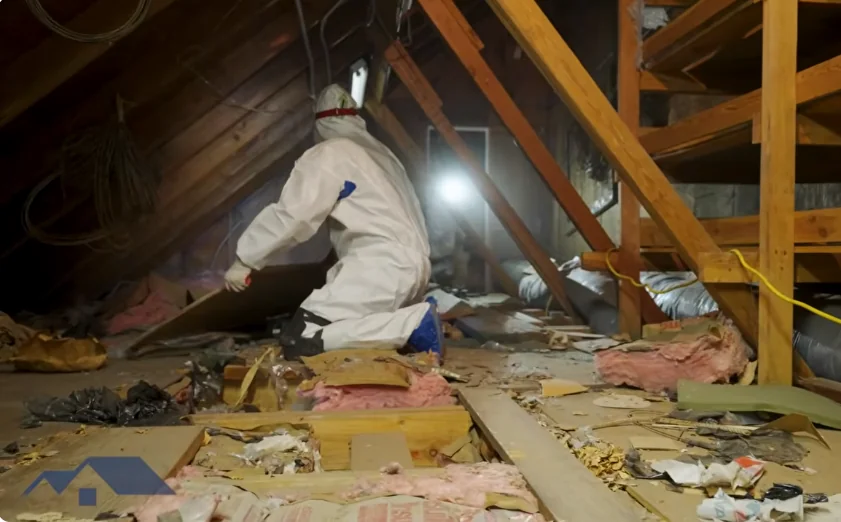
Technician with a flashlight inspecting attic rafters and insulation for rodent activity

Quick answers about the rodent control process

How long does the whole process take?

It depends on the size of the problem and the house. A small mouse problem in a tight home can wrap up fast. A rat colony in a large attic with many gaps takes longer, because trapping continues until the checks come back empty, and sealing can't be rushed.
Do I have to leave the house?

Usually not. Trapping and sealing happen in the attic, crawl space, garage and outside walls, and most families stay home the whole time. Heavy attic cleanup can be different, so ask whether any rooms should stay closed while insulation comes out.

What happens on the first visit?

The first visit is mostly looking. The provider walks the outside of the house, goes into the attic or crawl space, figures out which rodent you have and how it's getting in, and then explains the plan before any work starts.

Why rodent control works as a process

Most people call after hearing scratching overhead at night or finding droppings under the sink. The natural first move is to set a few traps or buy a bait box. That can catch a mouse or two, but it rarely ends the problem, because it doesn't answer the two questions that matter: how are they getting in, and how many are there?

A professional process is built around those questions. Inspection comes before removal so the traps go in the right places. Sealing comes after most of the animals are caught so none get trapped inside the walls. Cleanup comes after sealing so new droppings don't show up on fresh insulation. Each step depends on the one before it, and that order is what keeps the result from fading after a few weeks.

The same approach applies to every rodent this site covers, from roof rats in the attic to mice in the kitchen and squirrels in the soffits. If you want to know which animal you're dealing with first, our guide to Texas rodent species walks through the look, droppings and habits of each one.

The six steps

  1. Call and describe the signs

    What you've noticed, where, and for how long.

  2. Whole-home inspection

    Outside, roofline, attic, crawl space and garage.

  3. Removal by trapping

    Traps along the runways, checked on return visits.

  4. Exclusion and sealing

    Every gap closed with chew-proof material.

  5. Cleanup and sanitizing

    Droppings, nesting and soiled insulation removed.

  6. Follow-up and monitoring

    A final check that nothing new is getting in.

Step 1: The call

The process starts with a phone call to (936) 280-8706, Monday to Saturday between 8:00 AM and 6:00 PM. A few details help the provider plan the visit and bring the right gear:

  • What you've seen or heard: scratching, running, gnawing, droppings, a smell, or an animal itself.
  • Where it happens: the ceiling, one wall, the kitchen, the garage, under the floor or in a car.
  • When it happens: at night, at dawn and dusk, or during the day.
  • How long it's been going on, and whether anything has already been tried.
  • Anything that changes the plan, such as pets, small children, a pier-and-beam foundation or a home that sits empty part of the year.

Noises that start after dark and move along the ceiling usually point to rats or mice. Heavier thumping at sunrise and late afternoon is more typical of squirrels. That one detail can change who comes out and what they bring.

Step 2: The inspection

The inspection is the most important part of the job, and it takes the most care. A good one covers the whole house, not just the room where you heard the noise.

Outside, the provider walks the full perimeter and looks up as well as down: the roofline and the gaps where roof sections meet, soffits and fascia, gable and ridge vents, plumbing vent pipes, the openings where AC lines, cable and gas lines enter, open weep holes in brick, the garage door seals, foundation vents and any spot where tree limbs or vines touch the roof.

Inside, they check the attic for runways in the insulation, droppings, nests and chewed wiring; the crawl space for burrows, torn vapor barrier and gaps around pipes; and the garage, kitchen cabinets, laundry area and water heater closet.

Identification happens along the way. Dropping size and shape, grease rub marks along beams, gnaw marks, nest material and the height of the entry points all tell the provider whether it's roof rats, Norway rats, house mice, wild mice or squirrels. That matters because each one uses the house differently.

At the end, you should get a clear explanation of what was found, ideally with photos of the entry points, and a plan for the next steps. This is also when the provider gives you a quote, based on what they actually saw.

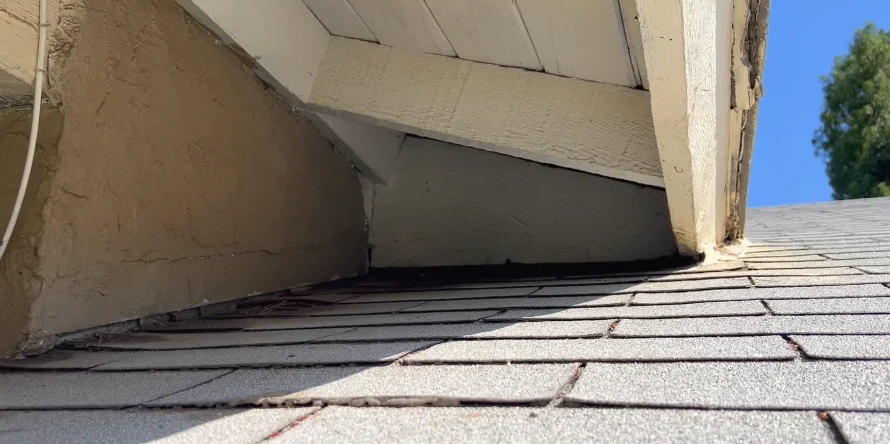
Gap along a roofline where a roof rat has been getting into the attic
Roofline gaps like this are easy to miss from the ground. Finding all of them is what the inspection is for.

Step 3: Removal

Removal inside a home is usually done with traps placed along the runways the inspection found: beside attic beams, along walls, near nests and at the points where rodents drop down from the roofline. The provider comes back to check the traps, remove catches and move traps that aren't getting activity.

Inside the house, many providers prefer trapping over poison. A rodent that eats poison can crawl into a wall or under the floor before it dies, and then the problem becomes a smell. Outside, some providers use locked, tamper-resistant stations as part of the plan; ask what they use and where, especially if you have pets.

Squirrels are handled differently. Because they're active during the day and often have young in the attic, providers commonly use one-way doors or live traps, and they check for babies before an opening is closed.

Step 4: Exclusion and sealing

Exclusion means closing every opening a rodent can use. It's the step that decides whether the problem comes back. Rats can chew through wood, foam, plastic and thin screen, so the materials matter as much as the work.

Common exclusion materials and where they go
MaterialTypical use
Galvanized hardware clothGable and soffit vents, roof returns, foundation vents, crawl space openings
Sheet metal and flashingRoofline gaps, corners where roof sections meet, chewed fascia edges
Metal mesh with sealantGaps around pipes, AC lines and cables where they enter walls
Weep hole coversOpen weep holes along the bottom of brick walls
Door sweeps and garage sealsGaps under exterior doors and at the corners of garage doors
Vent guardsPlumbing vent pipes, dryer vents and roof vents

Timing matters here. Most providers seal the main entry points once trapping has caught most of the animals, sometimes leaving one monitored opening until activity stops. Sealing everyone in on day one can push rodents deeper into the walls. You can see more detail on materials and common Huntsville entry points on our rodent exclusion page.

Step 5: Cleanup

Rodents leave droppings, urine, nesting and a strong smell behind, and the attic is where most of it builds up. Light contamination can be cleaned in place. Heavy contamination often means removing and bagging the soiled insulation, disinfecting the attic floor and blowing in new insulation.

Cleanup follows wet-cleaning methods recommended by public health agencies: no dry sweeping or vacuuming of droppings with a household vacuum, protective gear, wetting the material with disinfectant first, and bagging everything before it leaves the attic. For a full picture of attic cleanup, see our rats in attic and cleanup page. The reasons for this care are explained on our hantavirus page.

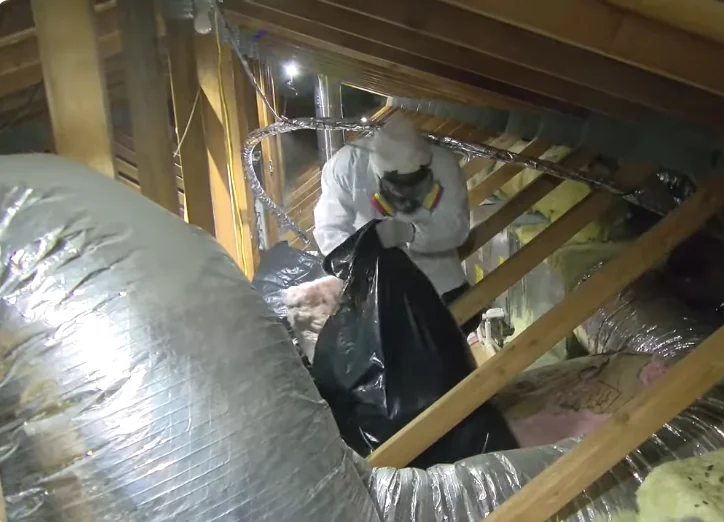
Worker in protective gear bagging rodent-contaminated insulation in an attic
Soiled insulation is bagged in the attic so droppings and dust don't spread through the house.

Step 6: Follow-up

The last visit confirms the job is done. The provider checks for new droppings, fresh gnaw marks or trap activity, and looks over every seal. If something has been tested or pulled loose, it gets fixed. They may also point out things you can do to lower the pull on your property, such as trimming limbs back from the roof, storing feed and pet food in sealed bins, and moving firewood away from the house.

What happens when a step is skipped

Each step exists because skipping it causes a predictable problem. Here's what that usually looks like:

Skipped steps and the usual result
Step skippedWhat usually happens
InspectionTraps go in the wrong places, and the entry points stay open
RemovalRodents sealed inside chew new holes or die in the walls
SealingNew rodents move in within weeks, often using the same gap
CleanupSmell lingers, and old scent trails draw new rodents to the spot
Follow-upA missed gap or a returning animal goes unnoticed until the noises start again
The most common mistake

Treating the room where the noise is instead of the whole house. Rodents often travel a long way inside walls and attics, so the place you hear them is rarely the place they get in.

One-time exclusion vs ongoing monthly service

Some pest control companies sell rodent work as a recurring monthly service with bait stations around the house. Others focus on a one-time removal and exclusion job. Both exist for a reason, and it helps to know the difference before you call.

Two common approaches to rodent control
ComparedRemoval + exclusionOngoing monthly service
Main goalRemove the rodents inside and close the way inKeep outdoor rodent numbers down over time
Entry pointsFound and sealedSometimes noted, not always sealed
Good fit forRodents already inside the attic, walls or crawl spaceFarms, barns, feed storage and commercial sites with constant outdoor pressure
After the jobFollow-up checks, then little or no ongoing workRegular visits for as long as the plan runs

Many rural Walker County properties use both: exclusion for the house, and outdoor monitoring around barns and feed rooms. Ask the provider which fits your property and why.

How to get ready for the inspection

  • Clear a path to the attic hatch and the crawl space door.
  • Note where and when you hear or see activity, and take a photo of any droppings.
  • Keep pets inside or away from the work area during the visit.
  • Leave droppings and nests in place until the inspection; they help identify the rodent.
  • Make a list of questions, including anything about pets, children or allergies.

Questions worth asking the provider

  • Is your company licensed by the Texas Department of Agriculture for structural pest control, and are you insured for this work?
  • Which rodent do you think it is, and what did you see that tells you that?
  • Where are the entry points, and can you show me photos?
  • Will you trap inside, and will you use any poison? Where?
  • What materials will you use to seal, and when will sealing happen?
  • How many return visits are included, and what happens if activity continues?
  • Is cleanup part of the quote, or separate?

A local provider who works as a rodent exterminator in Huntsville TX should be comfortable answering all of these. The official licensing and health sources we use are listed on our resources page, and more common questions are answered on our rodent control FAQ.

Ready to start with step one?
Tell a local Huntsville pro what you're hearing or finding.

Call (936) 280-8706

Rodent control process FAQ

Why not just put out poison and be done with it?

Poison doesn't close the gaps, so new rodents keep arriving. Inside a house it also tends to create a second problem: animals that die in walls, ceilings or under floors, where the smell can last for weeks. Trapping plus sealing deals with both the animals and the way in.

Can the sealing be done first, before trapping?

Sometimes a few obvious openings are closed right away, but full sealing is usually timed after most animals have been caught. Rodents locked inside can chew new holes or die somewhere hard to reach. The provider decides the timing based on what the inspection shows.

How many visits should I expect?

There's no single number. Most jobs include the inspection, at least one trap check, a sealing visit and a final check. Bigger infestations and larger homes take more trap checks. Ask how many visits the quote includes so there are no surprises.

Is cleanup always needed?

Not always. A short mouse problem with a few droppings may only need spot cleaning. A long rat or squirrel problem in the attic usually leaves enough droppings, urine and nesting that removing insulation is the cleaner and healthier option. The inspection will show which one you need.

What if I hear noises again after the job?

Call the provider back and describe exactly what you're hearing and where. A new noise can mean a seal has been tested, a missed gap, or a different animal altogether. Many providers include return checks for this reason, so ask about it before work begins.

Does the process change for squirrels?

Yes, a little. Squirrels are active by day and often raise young in attics in late winter and summer, so providers check for babies and often use one-way doors that let adults out but not back in. After that, sealing and cleanup follow the same pattern.

Rodent control in Huntsville

Inspect, remove, seal, clean, confirm

(936) 280-8706

Open Monday–Saturday, 8:00 AM – 6:00 PM · Huntsville, TX and nearby towns