
Serving Huntsville, TX and nearby areasMon–Sat 8:00 AM – 6:00 PM · (936) 280-8706

Health & safety · Rodent-borne illness

Hantavirus in Texas: What Homeowners Should Know

Hantavirus is rare in Texas, but it's serious, and it comes from a very ordinary situation: breathing dust from mouse droppings and nesting in a closed-up shed, cabin, barn or attic. Knowing which rodents carry it and how to clean up safely is most of the protection.

  • Rare but serious
  • Spread through dust
  • Preventable
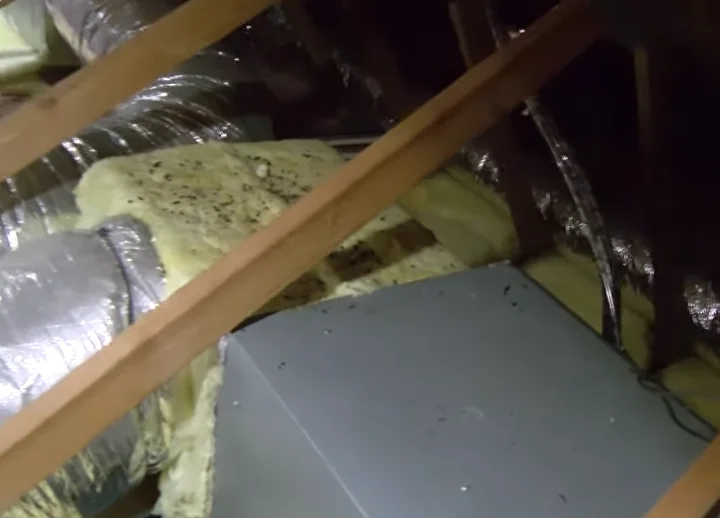
Mouse droppings scattered across attic insulation

Quick answers about hantavirus in Texas

How common is hantavirus in Texas?

The Texas Department of State Health Services says reported cases of hantavirus infection are rare in Texas. Rare isn't the same as zero, though, and the illness can be severe, which is why health agencies still publish detailed cleanup advice.
Which rodents carry it?

In the United States, the hantaviruses that cause the lung illness are linked to wild native rodents, such as deer mice, white-footed mice, cotton rats and rice rats. These are field and woodland animals that move into sheds, barns, cabins and outbuildings.

Can old droppings still be a risk?

Health agencies don't ask you to guess how old droppings are. Their advice is to treat all rodent droppings, urine and nesting as possibly infectious, wet them with disinfectant before cleanup, and never sweep or vacuum them dry.

Not medical advice

This page explains general public health information for homeowners. If you're sick, or worried about an exposure, talk to a doctor. If you suddenly have severe shortness of breath, get medical care right away.

What hantavirus is

Hantaviruses are a family of viruses carried by certain rodents. In the Americas, the illness they're most widely known for is hantavirus pulmonary syndrome, or HPS. The Texas Department of State Health Services (DSHS) describes HPS as a serious lung disease that can cause death.

The infected rodents themselves don't look sick. They shed the virus in their urine, droppings and saliva. When that material dries and gets stirred up, tiny particles can float in the air, and people breathe them in. That's why the risk is tied so closely to cleaning, sweeping and moving stored items in places rodents have been living.

According to DSHS, most hantaviruses do not spread from person to person. The one known exception is Andes virus, which is found in South America, not Texas.

Which rodents carry it

The Centers for Disease Control and Prevention (CDC) lists four wild rodents in the United States that carry hantaviruses linked to HPS. Each one carries its own virus.

US rodents linked to hantavirus pulmonary syndrome
RodentVirusWhere it lives
Deer mouse (Peromyscus maniculatus)Sin Nombre virusWoodlands and open country across much of North America
White-footed mouse (Peromyscus leucopus)New York virusWooded and brushy areas, including much of Texas
Hispid cotton rat (Sigmodon hispidus)Black Creek Canal virusTall grass, old fields and roadsides in the southern US
Marsh rice rat (Oryzomys palustris)Bayou virusMarshy, wet ground in the southeastern US

Notice what's missing from that list: the house mouse, the roof rat and the Norway rat, the three rodents most often found inside town homes. They bring their own health concerns, which are covered on our Texas rodent species and diseases page, but they are not the main carriers of HPS in the United States. Norway rats can carry a different hantavirus, Seoul virus, which the CDC links to a kidney-related illness rather than HPS.

Texas Tech University's Mammals of Texas notes that the white-footed mouse occurs across most of the state and sometimes dens in buildings, and it specifically advises careful handling because of its link to hantaviruses. Around Huntsville, that's the type of mouse most likely to show up in a shed, deer blind, barn or lake cabin set back in the trees.

How people are exposed

DSHS describes two main ways people get infected:

  • Breathing in virus particles from infected rodent urine, droppings or saliva that have been stirred into the air.
  • Touching your nose, eyes or mouth after handling something contaminated by rodents.

The activities DSHS lists as risky are ones many East Texas families do every year: cleaning out barns, cabins, sheds and hunting blinds, and camping, hiking and hunting. The common thread is a closed space where wild mice have been living, followed by a person who disturbs the dust.

Situations that call for extra care around Huntsville

Huntsville sits at the edge of the Sam Houston National Forest, with lake homes near Lake Livingston and Lake Conroe, and plenty of rural land with barns and outbuildings. That mix creates a few situations worth thinking about before you grab a broom.

Opening a deer blind or hunting camp

Blinds and camp buildings sit closed for months, often in tall grass or at the edge of woods, which is exactly where native mice and cotton rats live. Before the season, the floor and shelves may be covered with droppings and shredded nesting. Air the space out first and wet everything down before you clean.

Clearing out a shed, barn or feed room

Stored feed, seed, bird seed and pet food draw rodents in, and cardboard boxes give them places to nest. Moving stored items can stir up a lot of dust at once. Work slowly, wear gloves and a mask, and don't use a leaf blower or dry broom inside.

Opening a lake house or weekend cabin

Homes that sit empty part of the year are easy targets for mice. When you open up, check closets, under sinks, drawers, the water heater area and the attic hatch for droppings before you start sweeping. The same goes for RVs and campers stored on rural land.

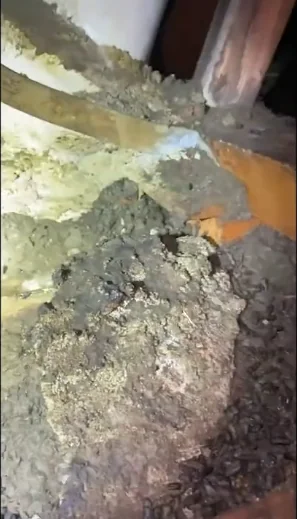
Shredded rodent nesting material packed into an attic corner
Nesting material like this holds droppings and urine. It should be wetted down and bagged, never swept or pulled out dry.

Symptoms and when to get help

According to DSHS, symptoms usually appear one to eight weeks after exposure. Early symptoms can feel like the flu:

  • Fever and fatigue
  • Muscle aches, especially in the thighs, hips and back
  • Headache, joint pain, dizziness and chills
  • Stomach problems such as nausea, vomiting, diarrhea or belly pain

DSHS says more severe symptoms can follow about four to ten days after the illness begins: coughing, shortness of breath, a tight feeling in the chest and rapid breathing. These can get worse within 24 hours.

When to get care

If you've been around rodents or their droppings and develop these symptoms, see a doctor and tell them about the exposure. If you have sudden, severe shortness of breath, get medical care immediately.

Safe cleanup of droppings and nesting

Public health guidance for small cleanups follows the same basic pattern. The idea is simple: keep the dust down and keep the material off your hands and face.

  1. Air it out first

    Open doors and windows and leave the space to air out before you start, and stay out while it does.

  2. Gear up

    Wear rubber, latex or nitrile gloves. A well-fitted mask or respirator adds protection in dusty spaces.

  3. Wet it down

    Spray droppings, urine spots and nesting with a disinfectant, following the product label, and let it soak before you touch anything.

  4. Wipe and bag

    Pick up the wet material with paper towels, put it in a plastic bag, seal it, and place it in a second bag for the trash.

  5. Clean the area

    Disinfect the surfaces, wash bedding or fabrics in hot water, then remove your gloves carefully and wash your hands well.

The one rule to remember

Never sweep or vacuum rodent droppings dry with a household broom or vacuum. That's the fastest way to put particles into the air you're breathing.

Larger jobs are different. An attic full of droppings, a crawl space, or a building with a heavy, long-term infestation is better left to someone with HEPA equipment and proper protective gear. Our attic cleanup page explains how professional insulation removal and sanitizing work.

How sealing a home lowers the risk

The CDC's prevention message for hantavirus comes down to three ideas: seal up, trap up and clean up. In other words, keep rodents out of the places you live and work, remove the ones already inside, and clean up carefully afterward. That's the same order a good rodent control job follows.

  • Seal up gaps around pipes, vents, doors, garage corners, weep holes and the roofline. Mice can squeeze through very small openings, so the details matter. See our rodent exclusion page for the materials that hold up.
  • Trap up rodents already inside with snap traps or a provider's trapping plan.
  • Clean up food sources: store feed, seed and pet food in sealed metal or heavy plastic bins, and keep firewood and brush piles away from the house.

For outbuildings, sealing a whole barn may not be realistic, but sealing a feed room, a tack room or a hunting cabin often is. If you're not sure where to start, our Huntsville rodent control guide on the home page lays out the main signs and services.

When to call a professional

  • Droppings are spread across an attic, crawl space or large building.
  • You can smell strong urine or see many nests.
  • Anyone in the home has a weakened immune system, lung problems or is pregnant.
  • Insulation is soiled and needs to come out.
  • Rodents keep coming back after you've cleaned and trapped.

Found droppings in a closed-up space?
Talk to a local pro about safe cleanup and sealing.

Call (936) 280-8706

Hantavirus FAQ

How likely is it to get hantavirus from mouse droppings?

For most people the chance is low. DSHS calls reported cases in Texas rare, and most house mice aren't carriers of the HPS viruses. The risk rises when wild mice have been living in a closed space and someone stirs up the dust, which is why careful, wet cleanup matters.

What is usually the first symptom of hantavirus?

DSHS lists fever, fatigue and muscle aches, especially in the thighs, hips and back, among the early symptoms. Headache, chills, dizziness and stomach problems can come with them. Because these look like the flu, tell your doctor about any recent rodent exposure.

Can house mice give you hantavirus?

The house mouse is not one of the rodents the CDC links to HPS in the United States. That doesn't make house mouse droppings safe to handle, since rodents carry other germs too. Treat any droppings with the same wet-cleaning approach.

Can dogs or cats give people hantavirus?

Pets aren't considered a source of HPS for people. A cat that hunts can still carry an infected rodent into a garage or porch, though, so wear gloves when you deal with anything a pet brings in, and keep pet food sealed.

Is it safe to vacuum mouse droppings with a shop vac?

Not with an ordinary household or shop vacuum. These can blow fine particles back into the air. Health agencies recommend wetting droppings with disinfectant and wiping them up instead. Professionals use vacuums with HEPA filters and protective gear for large jobs.

Does sunlight or time kill the virus?

Health agencies note the virus doesn't survive well outdoors in sunlight, but indoors, in dark and closed spaces, it's safer to assume droppings may still be infectious. That's why the advice is to air out the space and wet everything rather than judge by age.

Who should I call if I think I was exposed?

Your doctor first, especially if you have symptoms. Mention when and where you were around rodents. For questions about rodents in the building itself, a local rodent control provider can inspect, remove them and seal the entry points.

Sources

  • Hantaviruses

    Exposure routes, risky activities, symptoms and timing.

    Texas DSHS
  • Hantavirus

    US carrier rodents, prevention and cleanup guidance.

    CDC

More official links are collected on our resources page.

Rodent cleanup in Huntsville

Get the droppings out and the rodents sealed out

(936) 280-8706

Open Monday–Saturday, 8:00 AM – 6:00 PM · Huntsville, TX and nearby towns